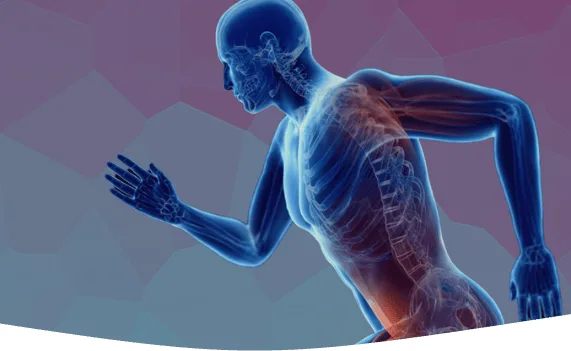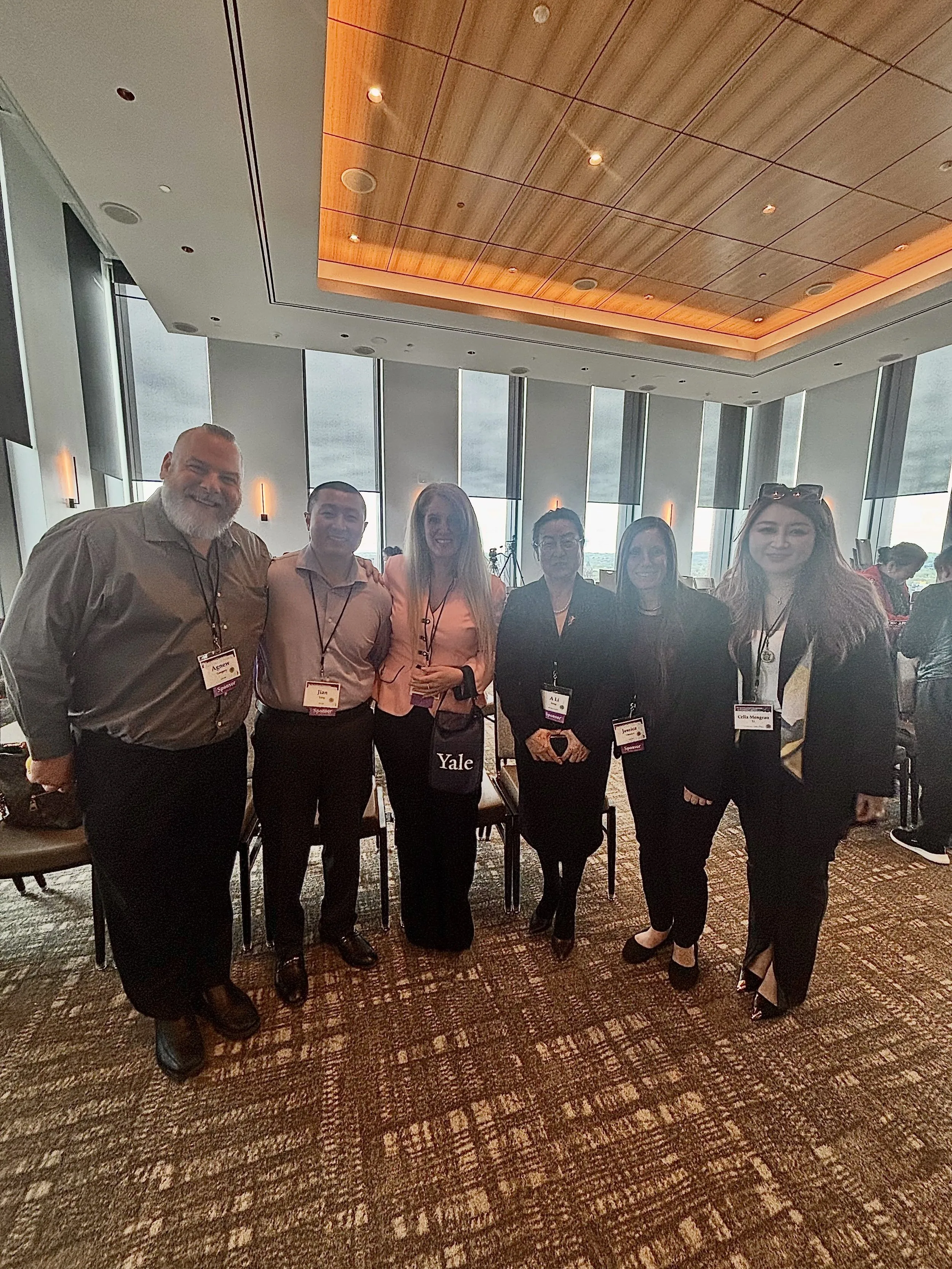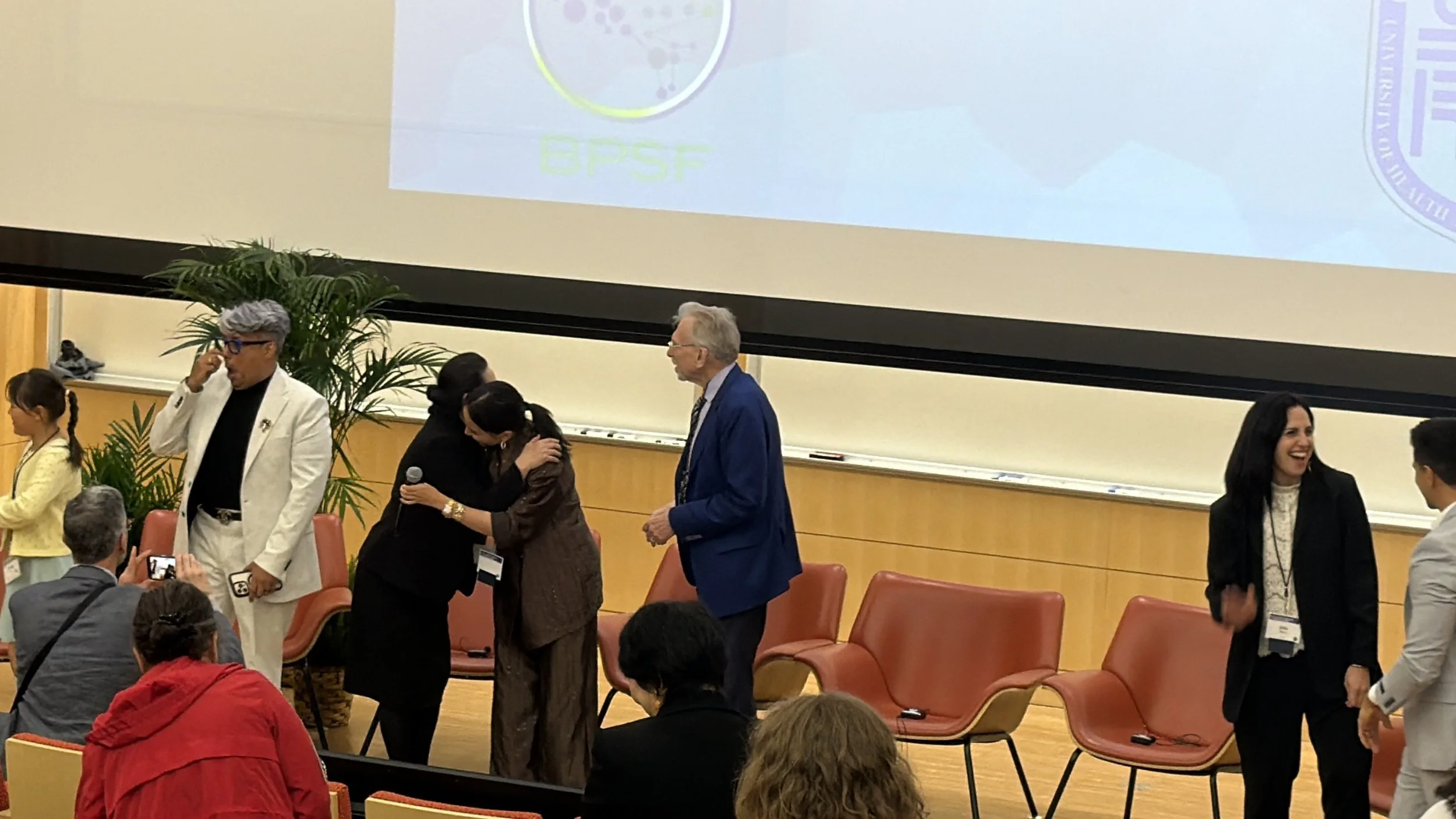
On April 18, 2026, the 2026 International Symposium on Embodied Cognition (ISEC 2026) was held at Yale University. Hosted by the Yale Center for Brain and Mind Health, the symposium brought together researchers, clinicians, educators, and innovators from around the world to explore the role of movement, perception, emotion, and lived bodily experience in cognition, mental health, rehabilitation, education, artificial intelligence, and the arts.
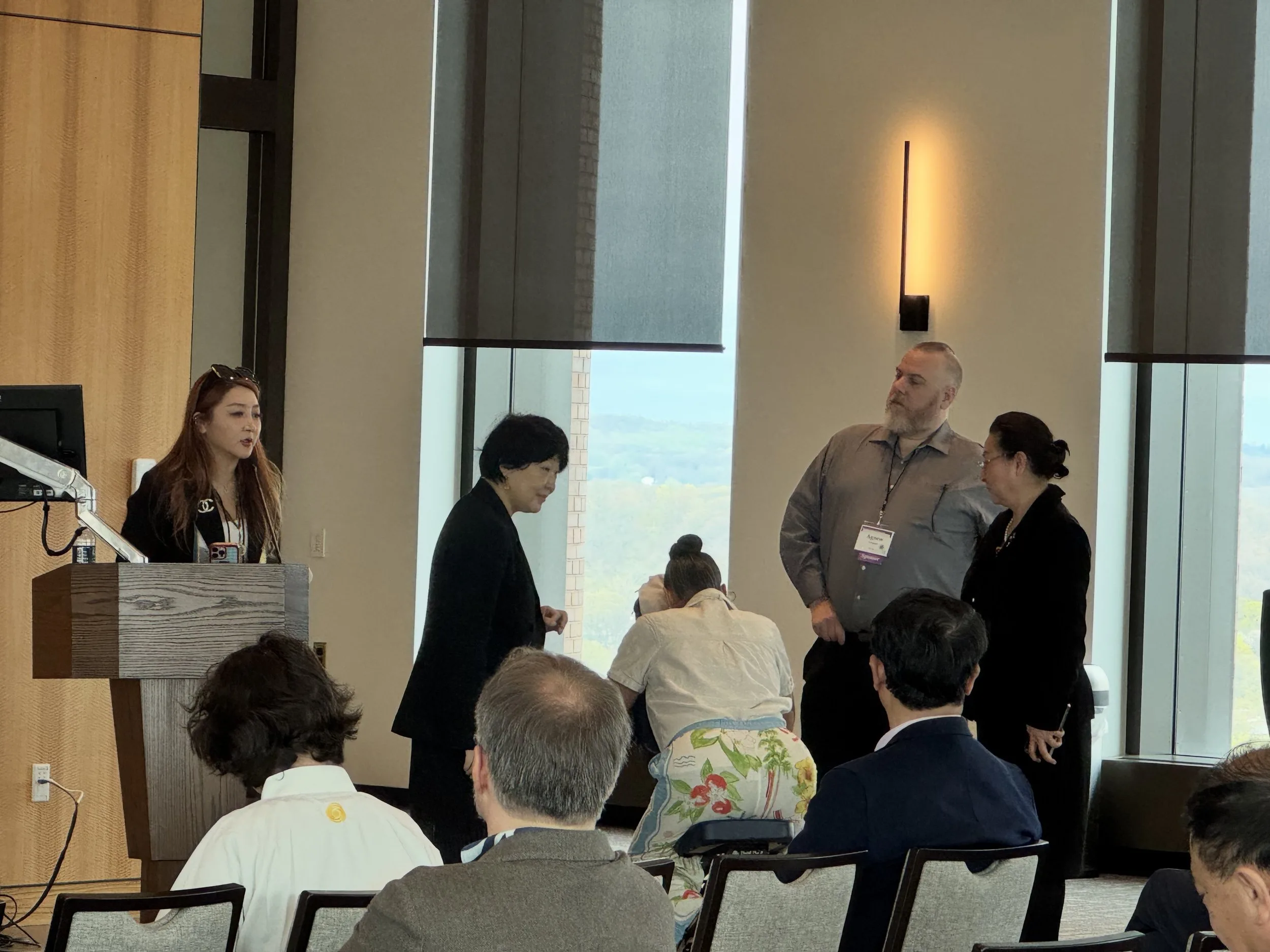
As part of this international academic gathering, New York College of Health Professions (NYCHP) participated in discussions highlighting the connection between traditional healing practices, embodied cognition, rehabilitation, and emerging health technologies. The NYCHP team was led by College President Dr. A Li Song, together with Ms. Huyan Hui, Director of the Traditional Chinese Medicine System Engineering Research Center, and Ms. Lei Yang, Academic Program Director of the Center for Life Arts and Technology. During the symposium, the NYCHP team presented an experiential demonstration inspired by classical principles from the Huangdi Neijing, including the traditional concept of viewing the body through an interconnected, whole- person perspective. The demonstration introduced participants to traditional Chinese medicine concepts related to balance, movement, body awareness, and functional rehabilitation.
Dr. A Li Song and Ms. Huyan Hui also delivered a presentation titled “Embodied Traditional Chinese Medicine System Engineering: Rehabilitation Practice Pathways and a Preliminary Plan for an AI-Enabled TCM Health Center.” The presentation explored an interdisciplinary model connecting embodied cognition, the holistic principles of traditional Chinese medicine, and system engineering as a pathway for modern rehabilitation and wellness practices.
The presentation proposed two areas of application: embodied growth and development for youth, and embodied health and wellness support for individuals seeking preventive health and wellness support, including middle-aged and older adult populations. Through examples such as an AI-supported health center, digital health tools, and personal health management platforms, the NYCHP team discussed how traditional Chinese medicine rehabilitation practices may be integrated with digital technology and embodied intelligence to support future clinical and wellness applications.
NYCHP’s participation at ISEC 2026 reflects the College’s ongoing commitment to integrative health education, rehabilitation practice, international academic collaboration, and cross-disciplinary research. By contributing traditional Chinese medicine perspectives to the global conversation on embodied cognition, NYCHP continues to support innovation in health, resilience, and longevity.